
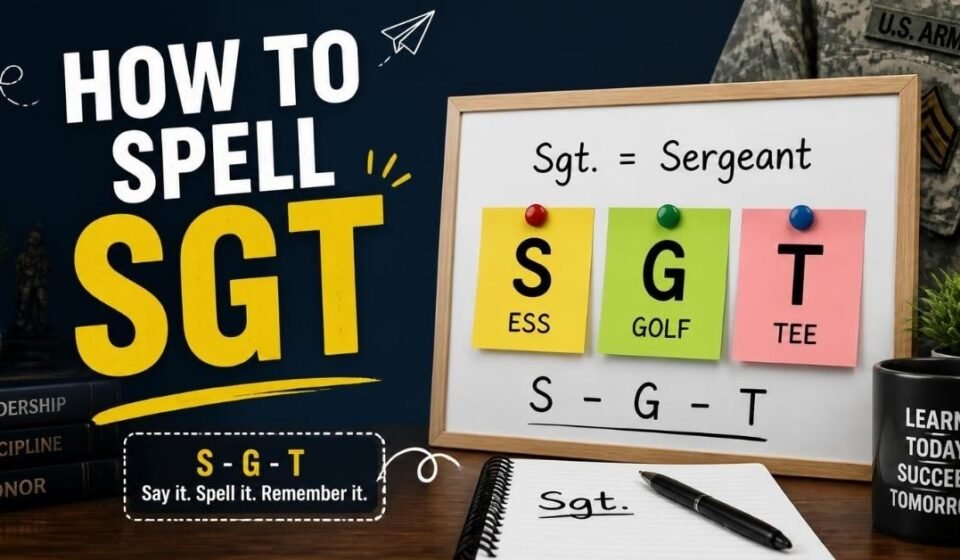
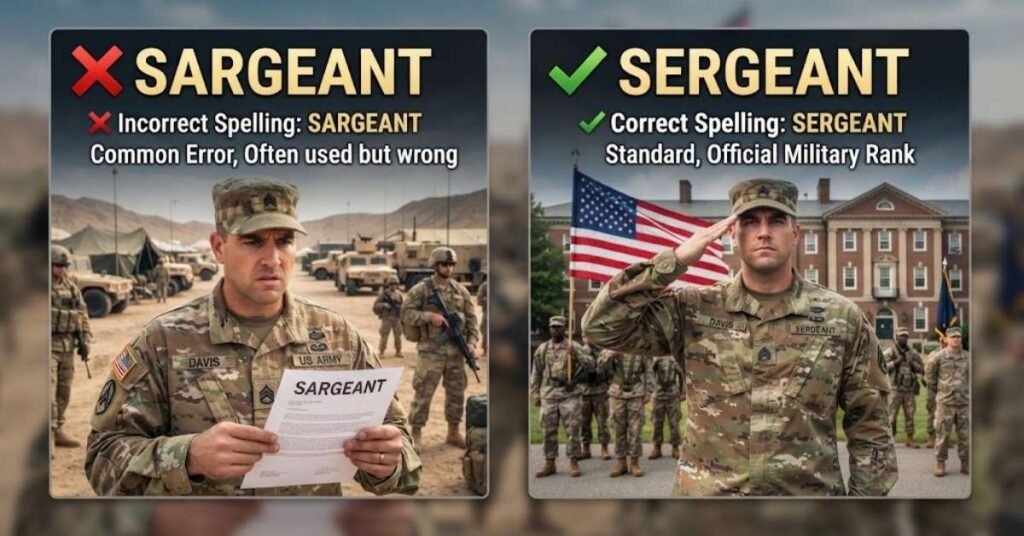
Sergeant is the correct spelling. Sargeant is a common misspelling of the rank, though it does show up as a legitimate surname.
If you have ever paused mid-sentence wondering which version to type, you are not alone. This word trips up even careful writers because the way it sounds does not match the way it is spelled.
Sargeant
Sargeant shows up most often as a surname or personal name, not as the military or police rank. You will see it in names like the painter John Singer Sargent, or in family names passed down for generations.
Sergeant
Sergeant is the official spelling for the military rank and police title used across the English-speaking world. Whether you are writing about the army, law enforcement, or a Staff Sergeant giving orders, this is the version you want.
Sargeant or Sergeant: Quick Answer
Simple explanation:
The short version is this: sergeant is correct when you mean the rank or job title. Sargeant only belongs in writing when it is someone’s actual surname.
People mix them up because English pronunciation does not follow the spelling here. The word sounds like “sar-jent,” which pushes writers toward the more phonetic but incorrect sargeant.
Examples:
- Correct: The Sergeant briefed the unit before the mission.
- Incorrect: The Sargeant briefed the unit before the mission.
- Correct as a name: Ms. Sargeant joined the school board last spring.
The Origin of Sargeant or Sergeant
Historical development:
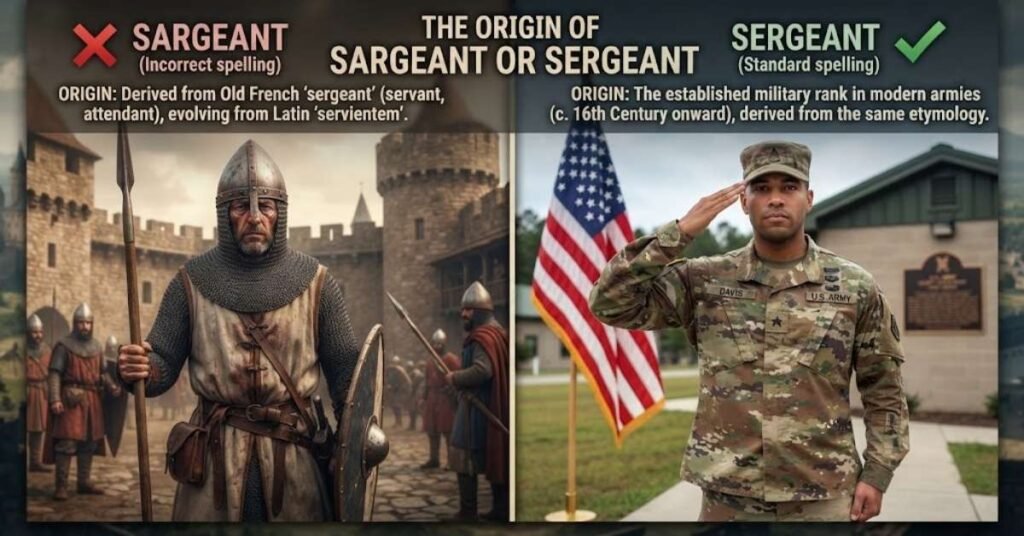
The word traces back to the Latin serviens, meaning one who serves. From there it passed through Old French as sergent, carrying the sense of a servant or officer.
Middle English picked up several spellings along the way, including sergeaunt and serjant. The Norman Conquest pushed French spelling habits into English, and that French influence is part of why the modern spelling looks the way it does today.
Over centuries, English settled on sergeant as the standardized spelling for the official rank. Sargeant and similar forms survived mostly as surname variations, drifting away from the official military and police usage.
British English vs American English Spelling
Key points:
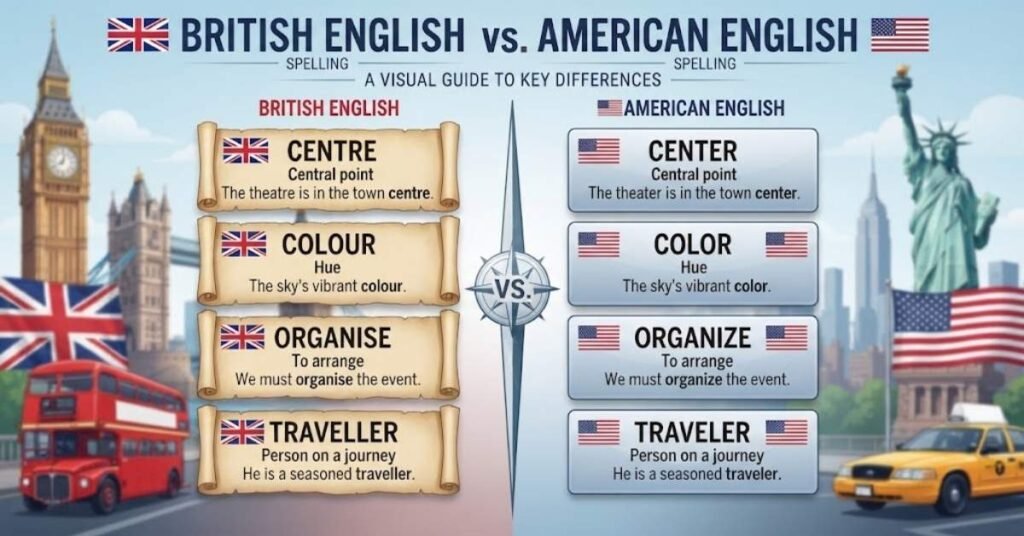
Here is something worth clearing up: there is no real British English versus American English split for this particular word. Both the UK and the United States use sergeant for the rank, so this is not one of those cases like “colour” versus “color.”
The confusion usually comes from pronunciation-based spelling, not from any real regional rule. People across Commonwealth countries, Canada, Australia, and English-speaking countries everywhere use the same standard form.
Comparison Table
| Region | Correct Spelling | Common Misspelling |
| United States | Sergeant | Sargeant, Sargent |
| United Kingdom | Sergeant | Sargeant, Seargent |
| Canada | Sergeant | Sargeant |
| Australia | Sergeant | Sargeant |
| India / Pakistan | Sergeant | Sargeant |
Which Spelling Should You Use?
For United States readers
Stick with sergeant in every official document, news piece, or professional writing context. American style guides and government usage all point to this single accepted form.
For United Kingdom or Commonwealth readers
The rule does not change once you cross the Atlantic. British English speakers use sergeant just as consistently, whether writing for journalism, academic writing, or everyday emails.
For global audiences
If you are writing for an international audience, sergeant is the safe, universal choice. It reads correctly no matter where your reader is logging in from.
Exception: Personal names
Names are the one place where sargeant or Sargent genuinely belongs. If someone spells their family name that way, you keep it exactly as they spell it, no changes needed.
Common Mistakes with Sargeant or Sergeant
1. Spelling based on sound
Most errors happen because writers type what they hear instead of what is actually correct. This sound-based spelling habit is the single biggest reason sargeant keeps showing up.
2. Mixing rank with surname spelling
Writers sometimes borrow the surname spelling for the rank, or the other way around. Keep them separate in your head: rank is sergeant, and a name follows whatever that person actually uses.
3. Auto-correct confusion
Your phone’s auto-correct does not always catch this one, and sometimes it makes things worse. Always double check military or police titles by hand rather than trusting the suggestion that pops up.
4. Incorrect plural forms
The correct plural form is sergeants, not “sargeants” or any other variation. For example: Three sergeants led the training session that morning.
5. Capitalization errors
Capitalization matters when the word sits directly before a name, like Sergeant Ramirez. Lowercase it when you are using it generally, such as “she was promoted to sergeant last year.”
📌 Sergeant vs Sargent vs Sargeant: Common Spelling Confusion
Three lookalikes cause most of the trouble here: sergeant, sargent, and sargeant. Only the first one is the standard, correct spelling for the rank or job title.
Sargent is another surname variant, most famous through the painter mentioned earlier. Seargent is simply a common misspelling with no proper use at all, so leave it out entirely.
Sargeant or Sergeant in Everyday Examples
Emails
Keep your professional writing clean by using sergeant in any formal email that references rank. For example: “Please copy Sergeant Lopez on tomorrow’s briefing.”
News writing
Journalism depends on accuracy, and misspelling a rank can hurt a story’s credibility fast. Reporters covering law enforcement or military news always use the standard spelling.
Social media
Casual platforms are where sargeant sneaks in the most, since people type quickly without checking. Still, using the correct spelling on social media keeps your posts looking sharp and trustworthy.
Formal writing
Official documents, reports, and government usage all require the standard form without exception. There is zero room for the misspelling in anything tied to official titles or rank.
Informal conversations
In casual talk, the spelling barely matters since nobody is reading it. But building the habit of spelling it correctly even in texts helps it stick when it counts.
Sargeant or Sergeant: Google Trends & Usage Data
Why people search both forms:
Search engines see steady traffic for both spellings because so many people genuinely are not sure. This spelling confusion is common enough that it shows up in search behavior across nearly every English-speaking country.
Popular regions searching this topic:
The United States, UK, Canada, Australia, and India all show consistent search queries for this comparison. It is one of those quietly popular questions people look up without ever mentioning it out loud.
Keyword comparison table
| Search Term | Typical Intent |
| how to spell sergeant | Looking for the correct spelling |
| sergeant vs sargent | Comparing two spellings directly |
| is sargeant a word | Checking if it is valid at all |
| sergeant spelling UK | Checking for a regional difference |
📌 How to Spell Sergeant Correctly in Military and Official Writing
Military writing and police departments hold spelling to a strict standard, and for good reason. A misspelled rank in a report or an investigation file can create real confusion about who did what.
Stick to sergeant in every army, police department, or government document you write. Titles like Staff Sergeant, Police Sergeant, or Senior sergeant all keep the same root spelling no matter the branch.
Abbreviations follow the same rule too. Sgt. is the standard short form, always built from the correct spelling, never from sargeant.
Conclusion
So here is the bottom line: sergeant is the spelling you want for the rank, the job title, and anything tied to law enforcement or the military. Sargeant only earns its place when it is someone’s actual name.
Getting this right matters more than it might seem. It protects your credibility, keeps your writing professional, and saves your reader a double take.Got a spelling mix up story of your own? Drop it in the comments below, and share this with anyone who still types “sargeant” out of habit.
FAQs
1. Is “sargeant” ever correct?
Only as a surname. As a military rank or police title, it is always a misspelling.
2. Why does “sergeant” sound different from how it looks?
Its Old French and Latin roots shaped the spelling long before modern pronunciation settled in. That gap between sound and spelling is exactly why the confusion persists.
3. Do British and American English use different spellings?
No. Both British English and American English use the same word, sergeant, with no regional variation.
4. What is the abbreviation for sergeant?
The standard abbreviation is Sgt. You will see it in official documents, badges, and military writing everywhere.
5. How do I remember the correct spelling?
Try linking it to its Latin root, serviens, meaning to serve. Picturing a sergeant as someone who serves can help the “ser” beginning stick in memory.
6. Is sergeant used outside the military?
Yes. Police departments widely use the same rank, and some organizations borrow the title for leadership roles too.
7. What is the plural form?
The plural is sergeants. For example: The unit had four sergeants on duty that night.

Henry Parker is an English language writer with several years of experience helping learners understand grammar and improve their writing. He enjoys breaking down confusing grammar rules into simple explanations and practical examples. Through his work at HexoWaves, Henry shares useful tips on grammar, vocabulary, sentence structure, and everyday English.