
If you’ve ever paused mid sentence wondering whether to write “babys” or “babies,” you’re definitely not alone. This little spelling mix up trips up English learners and native speakers alike, and honestly, it’s one of the most searched grammar questions out there.
The good news is that once you understand the simple rule behind it, you’ll never second guess yourself again. Let’s clear up the confusion once and for all.
Quick Answer
The correct plural form of baby is babies, not babys. This follows a common English spelling rule where a singular noun ending in a consonant plus y changes the y to ies when forming the plural noun.
So if you’re writing about more than one baby, always use babies. Babys is considered an incorrect spelling in Standard English and should be avoided in any kind of writing, whether casual or professional.
Examples
Here are a few quick examples to help this rule stick in your mind naturally.
- The babies were sleeping peacefully in their cribs.
- Both babies started smiling at the same time.
- The nurse checked on the healthy babies in the nursery.
- Parents brought their babies to the park for some sunshine.
Notice how babies fits smoothly into everyday sentences without sounding forced. That’s because it’s the only version that’s actually grammatically correct.
The Origin of Babys or Babies

The word baby comes from Middle English and has roots tracing back to babbling sounds infants naturally make. Linguists believe the term developed from early sounds that toddlers and infants produce before they can form actual words.
Over centuries, English absorbed this word into everyday vocabulary, and it eventually followed the standard pluralization pattern used for most nouns ending in y. This is why understanding a bit of linguistics history actually helps make the spelling rule feel less random and more logical.
British English vs American English Spelling
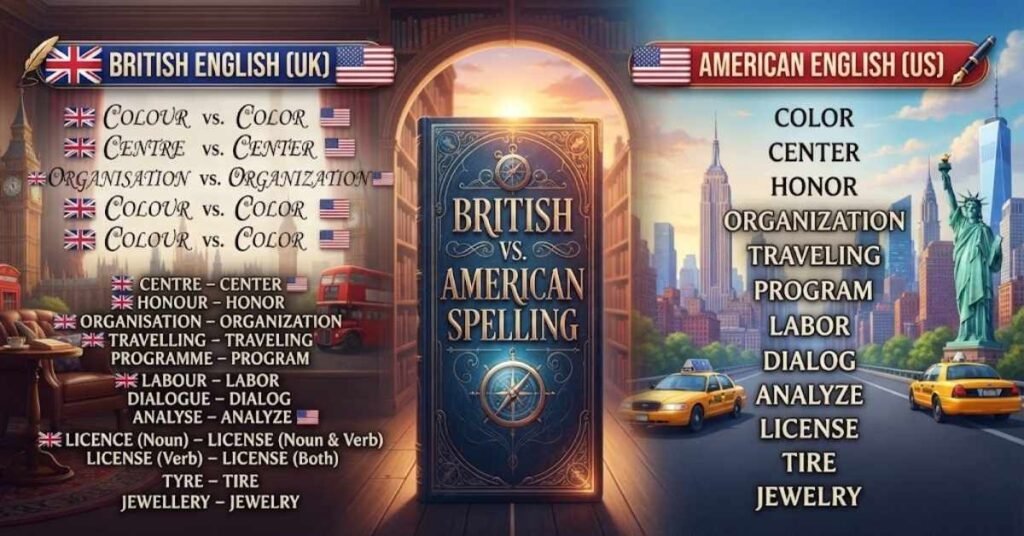
Here’s some good news for anyone worried about regional differences. Unlike words such as color versus colour, the plural of baby doesn’t change between British English and American English. Both the United Kingdom and the United States use babies consistently.
This makes life a little easier for English learners who often struggle with tracking down which spelling belongs to which region. Whether you’re writing for a Commonwealth audience or an American one, babies remains the universal choice across Global English.
Comparison Table
| Spelling | British English | American English | Correct? |
| Babys | Not used | Not used | No |
| Babies | Standard | Standard | Yes |
As the table shows, there’s no debate here. Babies wins across the board, no exceptions.
Which Spelling Should You Use?
You should always use babies when referring to more than one baby, regardless of the setting. This applies whether you’re chatting casually or writing something more formal.
The confusion usually comes from assuming every plural just needs an added s, but English grammar has specific exceptions like this one that are worth memorizing.
Use this spelling in:
- Formal writing such as reports, essays, and official documents
- Informal writing like texts, social media captions, and casual emails
- Academic writing including research papers and textbooks
- Professional communication at work or in client emails
Basically, there’s no scenario where babys becomes acceptable. Babies is your safe, correct choice every single time.
Common Mistakes with Babys or Babies
Even confident writers slip up here sometimes, and that’s completely normal. Let’s break down the three most frequent mistakes people make with this word.
1. Adding only “s”
The most common error is simply tacking an s onto baby without changing the y. This gives you babys, which looks like a real word but isn’t part of Standard English.
This mistake usually happens because our brains default to the easiest plural noun pattern, which is just adding s. Unfortunately, words ending in a consonant plus y don’t follow that shortcut.
2. Confusing plural and possessive
Another frequent slip up is mixing up babies with baby’s, which is the possessive form. Baby’s refers to something belonging to one baby, like “the baby’s toy,” while babies simply means more than one baby.
This kind of confusion is super common in casual writing, especially on social media posts where people type fast and skip proofreading. A quick double check before hitting send can save you from this mix up.
3. Forgetting the spelling rule
Some writers just forget that y changes to ies altogether, especially if English isn’t their first language. This happens a lot with other similar words too, not just baby.
Practicing with related word examples like city to cities or lady to ladies can help reinforce the pattern until it becomes second nature.
Babys or Babies in Everyday Examples
Seeing this word used in real contexts makes the rule easier to remember. Let’s look at how babies shows up naturally across different types of writing.
In a professional or personal email, you might write something like this. “We’re excited to welcome our babies home from the hospital next week.”
This shows how naturally babies fits into everyday professional communication without sounding stiff or overly formal.
News
News articles covering topics like healthcare or family policy often use the word too. “The hospital reported a rise in the number of healthy babies born this year.”
Journalists always use babies since accuracy matters heavily in published content, especially anything fact checked and edited.
Social Media
Casual platforms are actually where babys shows up most often as a typo. A correct caption would read, “Look at these adorable babies playing together.”
Even though social media tends to be more relaxed, sticking to correct spelling still helps your posts look polished and credible.
Formal Writing
In academic writing or research contexts, precision really matters. “The study analyzed developmental milestones in infants and newborn babies across various age groups.”
This kind of writing demands correct grammar since it often gets referenced by students, teachers, and other professionals.
Babys or Babies – Google Trends & Usage Data
When people search online, babies dominates search interest compared to babys by a significant margin. This reflects the fact that most writers, even those unsure of the rule, tend to instinctively type the correct version more often than not.
Search interest in grammar questions like this one tends to spike among students preparing for exams like IELTS, TOEFL, and Cambridge English, where spelling accuracy directly affects scoring. Countries with large populations of English learners, including Pakistan, India, Philippines, and Indonesia, show consistently high online search volume for this exact topic.
This tells us something important. People genuinely want clarity on this rule, and getting it right matters for both everyday writing confidence and academic success.
Comparison Table: Babys vs Babies
| Feature | Babys | Babies |
| Grammatically correct | No | Yes |
| Used in dictionaries | No | Yes |
| Accepted in formal writing | No | Yes |
| Common typo | Yes | No |
| Recommended usage | Never | Always |
This side by side comparison makes it crystal clear which spelling deserves a permanent place in your vocabulary.
Why This Grammar Rule Exists
English pluralization follows a pattern where nouns ending in a consonant plus y swap the y for ies. Compare baby to city, lady, story, and family, all of which follow this exact same transformation.
However, when a word ends in a vowel plus y, like boy, toy, or key, you simply add s without any changes. That’s why we get boys, toys, and keys instead of boyies or similar oddities.
Understanding this distinction between consonant endings and vowel endings is honestly the key to mastering dozens of similar English words beyond just baby.
How to Remember the Rule Forever
A helpful trick many teachers use is thinking of the y as fragile. Whenever a consonant sits right before it, that y needs to transform into ies to survive pluralization.
But when a vowel comes right before the y, it’s sturdy enough to stay put, and you just add s like normal. Practicing this with related word examples such as city to cities or key to keys will make the pattern feel automatic in no time.
Babies in Healthcare and Daily Conversations
Beyond grammar textbooks, the word babies shows up constantly in real life settings like hospitals, daycare centers, and pediatric offices. Doctors and nurses use it daily when discussing patient care, growth milestones, or general child development topics.
Parents also use it endlessly in daily conversations, whether they’re sharing photos of their little ones or chatting with other parents and mothers about sleep schedules and feeding routines. This everyday familiarity is exactly why getting the spelling right matters, since it appears so frequently across both casual and professional communication.
Conclusion
At the end of the day, the answer is simple and consistent. Babies is always the correct plural form of baby, while babys is simply an incorrect spelling that should be avoided entirely.
Whether you’re writing a quick text, a formal report, or anything in between, remembering this one small rule will boost your writing accuracy and overall writing confidence. Once it clicks, you’ll never have to second guess it again.
FAQs
Is “babys” a correct English word?
No, babys is not a correct English word. The proper plural noun form is always babies according to Standard English grammar rules.
What is the plural form of baby?
The plural form of baby is babies. This follows the standard rule for countable nouns ending in a consonant plus y.
Why does baby change to babies?
Baby changes to babies because English grammar requires words ending in consonant plus y to swap the y for ies when pluralized. This is a well established spelling rule that applies to many similar words.
When do we add only “s” to a word ending in y?
You only add s, without changing anything else, when the word ends in a vowel plus y. Examples include boy becoming boys and toy becoming toys.
Is babies used in British and American English?
Yes, babies is used identically in both British English and American English. There’s no regional variation for this particular word.
What does baby mean?
Baby refers to a very young child, typically an infant or newborn who hasn’t yet reached toddlerhood. It’s one of the most commonly used words across English-speaking countries.
Is babies used in formal writing?
Yes, babies is completely appropriate for formal writing, academic writing, and official documents. It’s the only grammatically accepted version, so it fits naturally into any writing style.

Henry Parker is an English language writer with several years of experience helping learners understand grammar and improve their writing. He enjoys breaking down confusing grammar rules into simple explanations and practical examples. Through his work at HexoWaves, Henry shares useful tips on grammar, vocabulary, sentence structure, and everyday English.